
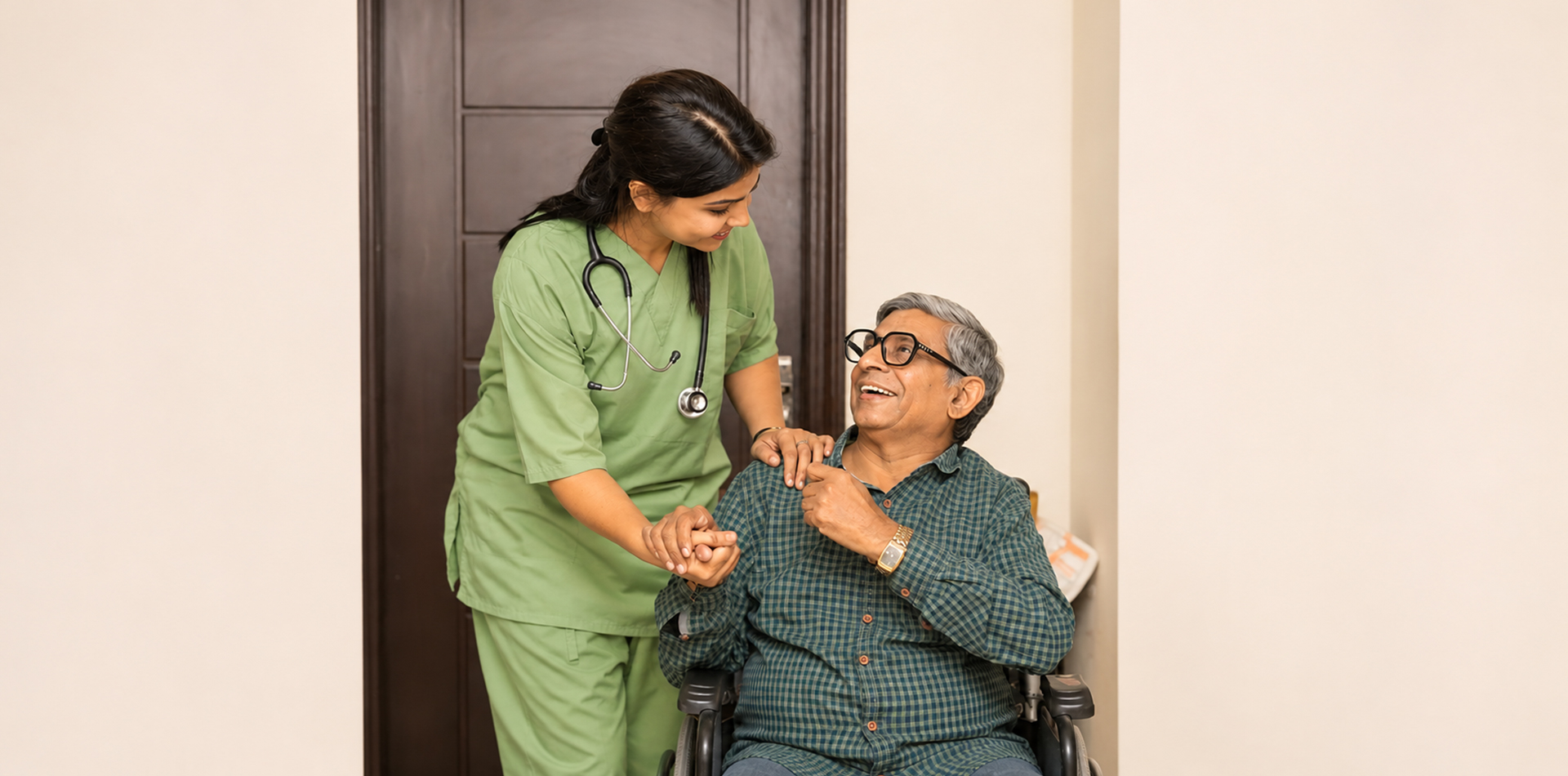
Assisted Living vs Nursing Care vs Skilled Rehabilitation: Understanding What Each Offers
Care comes in different forms. Sometimes, it means having a little help with everyday routines. Sometimes, it means having a nurse close by. And sometimes, it means working patiently towards walking a little farther, moving a little more comfortably or getting back to a familiar routine after an illness.

Although these forms of care can overlap, they serve different purposes.
For families exploring senior care, understanding the difference between assisted living, nursing care and skilled rehabilitation can make the options easier to navigate. Each offers a different kind of support, depending on a person's health, daily needs and goals.
Assisted Living: Making Everyday Life More Comfortable
Independence can look different at different stages of life. For some older adults, it means managing most things themselves. For others, it means having a little help with the parts of the day that have become more challenging.
Assisted living is designed for older adults who need support with daily activities while continuing to enjoy their routines, interests and social lives.
This may include help with bathing, dressing, personal hygiene, meals, medication routines and mobility. Depending on the facility, residents may also have access to nursing supervision, medical consultations, physiotherapy and recreational activities.
Think of an older adult who enjoys reading the morning paper, catching up with friends and spending time in the garden but finds preparing meals or managing personal care increasingly tiring. With the right support, more of the day can be spent enjoying these little pleasures rather than worrying about the practicalities.
After all, there is more to a good day than getting through a to-do list.
Assisted living brings daily support and companionship into a structured living environment, helping older adults maintain as much independence as their circumstances allow.
Nursing Care: When Health Needs More Attention
Sometimes, support needs extend beyond everyday activities. An older adult may require regular nursing care because of a chronic condition, a complex medical need or a change in their health.
Nursing care focuses on providing clinical support according to the person's condition and prescribed care plan. This may include medication administration, wound care, monitoring vital signs, managing certain medical devices and observing changes in health that need attention.
For example, an older adult with a wound that requires regular dressing changes or a condition that calls for frequent nursing interventions may need more specialised support than assistance with daily routines alone.
The level of nursing care can vary. Some individuals need periodic nursing assistance, while others require more continuous supervision and clinical attention.
This is why the services available at a care facility matter. Nursing staff availability, emergency procedures and the ability to manage specific medical needs all help determine whether a setting is appropriate for an individual.
Assisted living facilities may also provide nursing support. However, the presence of nursing staff does not automatically mean a facility can manage every complex medical condition. The care required and the services available need to match.
Skilled Rehabilitation: Small Steps Towards Recovery
Recovery has its own pace. After surgery, a fall, a stroke or a prolonged hospital stay, even familiar movements can take time to feel comfortable again.
Skilled rehabilitation helps older adults work towards regaining strength, mobility and everyday abilities through structured, goal-oriented therapy.
Depending on the person's needs, rehabilitation may include physiotherapy, occupational therapy, balance training, mobility exercises and practice with everyday activities. These interventions are planned and supervised by qualified professionals.
Consider an older adult recovering from hip surgery. The procedure may be over, but learning to stand safely, walk with support or move from a bed to a chair can take time and practice.
A rehabilitation programme provides a structured way to work towards these goals, with therapy adapted to the person's progress and abilities.
And progress need not always mean a dramatic milestone. Sometimes, it is being able to move around with greater confidence or manage an everyday activity with less assistance.
Rehabilitation can take place in hospitals, inpatient rehabilitation facilities, outpatient settings or other suitable care environments. The right setting depends on medical stability, therapy requirements and the support needed throughout recovery.
Unlike general exercise or occasional physiotherapy sessions, skilled rehabilitation follows an individualised plan with specific functional goals. The aim is to help a person regain as much independence as possible, although outcomes naturally vary.
Three Types of Care, Three Different Purposes
While the terms may sometimes sound interchangeable, their primary purposes are different.
Assisted living focuses on everyday support, comfort and independence. Nursing care addresses clinical needs that require nursing expertise. Skilled rehabilitation focuses on improving function and supporting recovery after illness, injury or surgery.
These needs are not always separate.
An older adult may need rehabilitation and nursing care immediately after a hospital stay, followed by assisted living as their recovery progresses. Another person may live in assisted living for years before a change in health calls for a different level of support.
Care can evolve as circumstances change. What matters is finding an arrangement that suits the person's needs at that particular stage.
A conversation with the treating doctor can help clarify the appropriate level of care. Families can also ask about nursing availability, therapy services, medical supervision, daily assistance and how care plans are reviewed over time.
And wherever possible, the older adult should be part of the discussion. Their comfort, preferences and personal goals are an important part of the picture.
At The Wisdom Club, we believe senior care should be shaped around the individual, not just their age or medical condition.
Our assisted living approach brings together personalised daily assistance, medical oversight, nursing supervision, physiotherapy and opportunities for companionship and engagement.
For older adults who need additional support during recovery or following a change in health, the appropriate care arrangement depends on their clinical needs and individual assessment.
The aim is to make care feel less like a collection of services and more like thoughtful support woven into everyday life.
Because the right kind of care does more than address a need. It creates room for comfort, connection, familiar routines and the freedom to enjoy the day in one's own way.


you can trust.
 Book An Appointment
+91 99877 22792

